How Freelance Technicians in Australia Can Excel with the Right Gear
Choosing Essential Gear
If you're looking to make a mark in Melbourne's dynamic AV scene, where places like Federation Square host some of the most iconic events, choosing the right equipment is essential. Selecting the appropriate tools not only enhances event production but also ensures that you deliver superior audio-visual experiences. As an AV professional, investing in data projectors is crucial. They're versatile for a range of settings, from intimate venues to expansive conferences. Whether you're working on a public display or a detailed presentation, the right projector can transform an event's visual quality.
Equally important are broadcast solutions that meet the ever-evolving demands of modern AV setups. These solutions provide seamless integration between various audio and video components, facilitating smoother and more reliable event productions. Be it live streaming or recording for post-production, a dependable broadcast system is invaluable.
When deciding between must-have equipment, always evaluate the features that align with your specific needs. Durability, ease of setup, and compatibility with existing gear should influence your choices. This approach will help you navigate Melbourne's competitive AV market and empower you to deliver flawless experiences at venues like Federation Square.
Enhancing Work Efficiency
Enhancing your work efficiency as an AV professional can make all the difference during those high-stakes moments in venues like the Melbourne Convention and Exhibition Centre. One essential aspect is mastering your tools for quick setup. Rapid deployment ensures you make the most of the time and resources available, allowing you to adapt seamlessly to last-minute changes. Always have a go-to method for setting up gear under tight deadlines, and keep tools organised for easy access.
Incorporating smartphone apps into your workflow can also significantly boost productivity. Apps designed for AV technicians offer features like digital mixing consoles, lighting controls, and equipment-management systems right at your fingertips. While exploring app features, ensure they meet your needs for flexibility and adaptability.
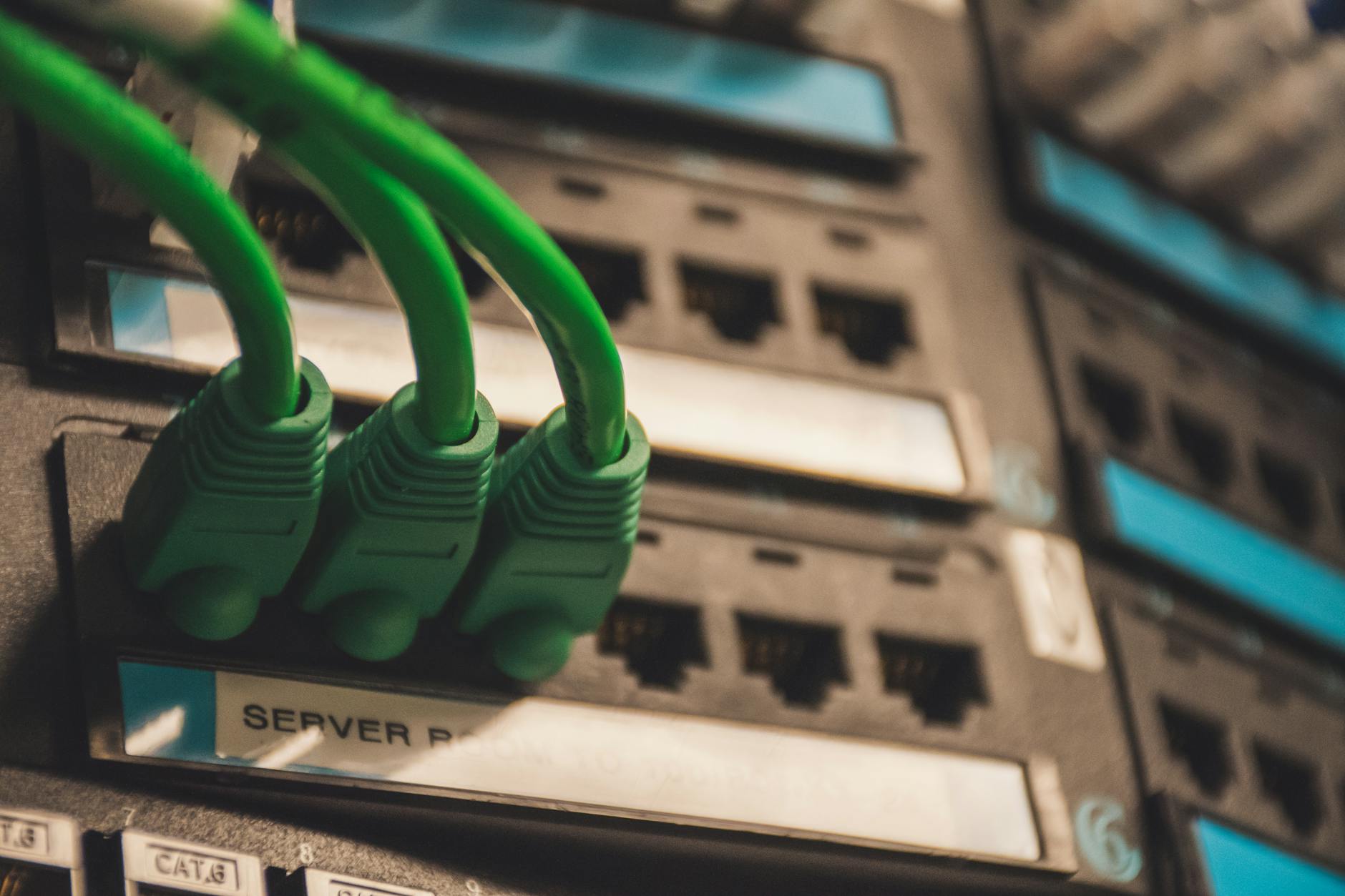
Streamlined cable management is another key efficiency booster. Tangled cables are not only frustrating but can also cause safety hazards. Invest in reliable av cables to keep your setup neat while ensuring operational efficiency. You might also consider using coloured zip ties or Velcro wraps to distinguish between different cable types quickly, reducing setup time and potential errors.
By embracing these efficiency-enhancing strategies, you maintain a calm, focused approach during live events. Experience seamless transitions in your daily routines, ultimately leading to more successful outcomes in your AV projects.
Staying Updated with Technology
Reliable Tech Forums
Keeping up with the latest AV trends is crucial for any technician. I often turn to tech forums that specialise in professional audio and visual solutions. These platforms offer a wealth of information, featuring real-time discussions about equipment like professional microphones, reviews, and troubleshooting tips. They serve as a vital resource for verifying spec sheets and gathering real-world insights from fellow AV professionals. As someone working in a vibrant city like Melbourne, it's essential to stay informed by the diverse experiences shared on these forums.
YouTube Channels for Technicians
YouTube has become an invaluable tool for learning and skill enhancement, especially for AV professionals. With a plethora of channels dedicated to tutorials and equipment reviews, such as those featuring the intricacies of handling a professional microphone, YouTube is a treasure trove of practical knowledge. I often find that channels focusing on live sound at venues like St Kilda offer insights that directly translate into my day-to-day work. Watching these videos allows for the visual understanding I need when tackling complex AV setups.
Networking with Industry Experts
In the world of AV clubs and meet-ups, networking is key. Attending events at places like the Melbourne Convention and Exhibition Centre can put you in touch with leading industry experts and like-minded technicians. These connections often lead to opportunities to collaborate, exchange ideas, and gain insider knowledge on the latest AV trends, making a significant difference in professional growth.
Troubleshooting On-the-Spot
When it comes to the fast-paced environment of AV events, being prepared for immediate troubleshooting is a skill I've honed over countless gigs. Let's talk about some of the common AV issues you might encounter and the quick fixes that can keep your event on track.
Common AV Issues and Fixes
Audio problems often top the list. If your audio equipment begins to falter, the first step is to check connections and cables. Ensure everything is securely plugged in, and that there are no physical damages or frays. Another common issue is power interference, which sometimes occurs in venues like St Kilda's live music settings, where multiple devices are running.
Video glitches are equally frustrating. If you face a flickering screen, try reseating your HDMI or VGA cables. Also, don't discount the importance of your laptop or media server settings—sometimes, adjusting the resolution can resolve the mismatch between projector and source feed.
Backup Plans for Equipment Failure
Having a contingency plan is crucial. Always carry backup cables and adaptors—these are lifesavers when original connections go awry. A small-scale mixer can be indispensable when dealing with unexpected sound equipment failure.
Testing Gear Before Use
I can't stress enough how critical gear testing is before heading to any venue, whether it's as grand as the Melbourne Convention and Exhibition Centre or a local community hall. Set up your gear to simulate the event conditions as closely as possible. This way, you'll be more equipped to pinpoint and resolve issues promptly during the actual event.
Advancing Your AV Career
Gear That Outlasts the Job
In the world of AV, where events like those at Federation Square demand nothing short of perfection, maintaining equipment is non-negotiable. Incorporate a daily gear maintenance routine into your workday to prolong the lifespan of your gadgets. Start by wiping down your gear after each gig, focusing on areas prone to dust and debris. Regularly inspect cables for wear and tear, especially after setting up in high-traffic areas like St Kilda’s bustling venues. Apply contact cleaner to jacks and ports to prevent connectivity issues.
Leave a Lasting Impression
Maximizing customer satisfaction comes down to communication and adaptability. Prior to an event, confirm all details in writing, offering insights that could enhance the experience. When working at venues like the Melbourne Convention and Exhibition Centre, anticipate potential challenges by familiarizing yourself with each event’s unique needs. Flexibility is key—be prepared to adjust to last-minute changes without sacrificing the quality of your work.
Crafting Your Professional Legacy
Building a professional reputation as a freelance AV technician hinges on reliability and expertise. Networking with industry experts at local workshops can foster valuable connections and keep you informed about the latest advancements. Providing exceptional service becomes your calling card in the competitive Melbourne AV scene. Therefore, always strive for excellence, demonstrating your commitment to consistent and high-quality results with every project you undertake.